In today’s diverse communities, effective communication between healthcare providers and patients is paramount for quality care. This is especially true in a bustling dental practice like those found in Dentist Mission Texas, where staff interact with patients from various cultural backgrounds. A key to success lies in the proficiency of the workforce, particularly the ability of bilingual staff to bridge language gaps and foster understanding. This article delves into the significance of friendly, bilingual communication in healthcare settings, offering insights on how such skills enhance patient experiences and outcomes, not just in Dentist Mission Texas, but across the globe.
- Bilingualism: A Key to Patient Communication in Dental Practices
- Training Staff for Effective Cross-Cultural Interactions
- Understanding Diverse Patient Needs in Dentist Mission Texas
- Building Trust Through Language and Empathy
- Overcoming Barriers: Strategies for Success in Dental Care
- The Impact of Friendly Staff on Patient Satisfaction and Retention
Bilingualism: A Key to Patient Communication in Dental Practices

In today’s diverse communities, bilingualism plays a pivotal role in enhancing patient communication within dental practices, particularly in regions like Mission, Texas, where cultural richness is profound. A dentist’s mission in these areas goes beyond treating teeth; it involves fostering trust and understanding with patients who may speak languages other than English. At our dental clinic located at 1632 N. 10th Street, McAllen, TX 78501, we recognize that effective communication is the cornerstone of quality patient care. By embracing bilingualism, we ensure that every patient receives personalized attention and clear explanations, regardless of their linguistic background.
Bilingual staff members serve as cultural bridges, facilitating open dialogue and ensuring no language barrier impedes essential dental information exchange. For instance, a Spanish-speaking patient may feel more at ease discussing sensitive oral health issues with a bilingual dentist who can comfortably communicate in their native tongue. This approach not only promotes comfort but also accuracy in diagnosis and treatment planning. A study by the American Dental Association (ADA) highlighted that patients with limited English proficiency (LEP) often face challenges navigating healthcare systems, and having bilingual professionals can significantly improve access to care. By simply picking up the phone and calling us at 956-686-5000, patients can start their journey towards better oral health right away.
Practical implementation of this strategy involves hiring and training staff in multiple languages relevant to the local community. At our practice, we have found that providing multilingual resources, such as patient education materials and consent forms in various languages, further enhances our services. Moreover, utilizing translation services during appointments ensures every detail is accurately conveyed. This commitment to bilingualism not only improves patient satisfaction but also fosters a sense of belonging among diverse populations, making dental care more accessible and welcoming for all.
Training Staff for Effective Cross-Cultural Interactions
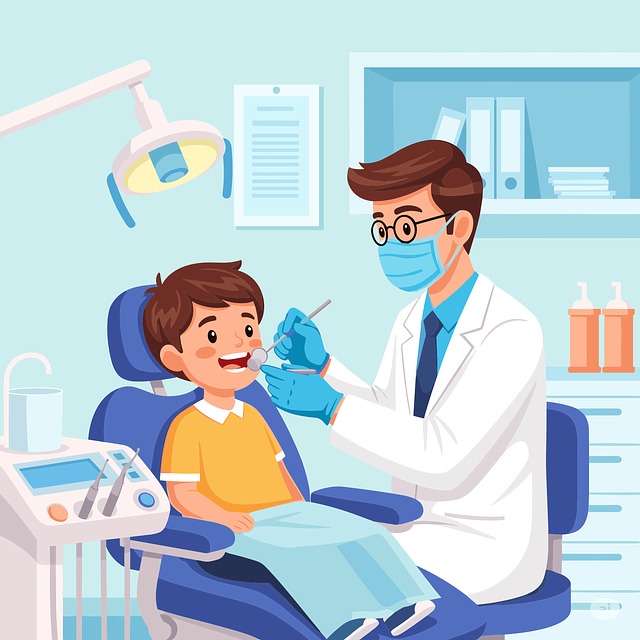
Effective communication between dental professionals and patients from diverse cultural backgrounds is paramount to delivering quality care at our dentist mission texas clinic. Training staff to engage in cross-cultural interactions ensures every patient feels valued and understood. This involves more than language proficiency; it requires cultivating cultural sensitivity, empathy, and a deep appreciation for different perspectives.
Our approach to training emphasizes active listening, clear explanations, and the use of visual aids. We encourage our team to ask open-ended questions, actively observe non-verbal cues, and adapt their communication style accordingly. For example, when treating patients from Asian cultures, acknowledging family dynamics in decision-making processes can foster trust. Similarly, understanding cultural taboos around certain medical procedures is essential for building rapport with individuals from diverse backgrounds.
To implement these strategies effectively, we offer ongoing workshops and simulations that challenge our staff to navigate complex communication scenarios. By participating in role-playing exercises, they develop the confidence needed to handle sensitive conversations. We also provide multilingual resources, such as informational brochures and patient forms, to bridge language barriers.
Patients are at the heart of everything we do, and ensuring they feel comfortable expressing their needs is crucial. Start enhancing your dental practice’s cultural competency today by scheduling an appointment or calling us at 956-686-5000. These proactive steps will not only improve patient satisfaction but also contribute to a more inclusive and welcoming dental environment for all.
Understanding Diverse Patient Needs in Dentist Mission Texas
In a diverse community like Mission, Texas, understanding patient needs is paramount for any healthcare provider, especially dentists. A dentist in Mission Texas that prioritizes bilingual staff has a significant advantage when it comes to serving a wide range of patients from various cultural backgrounds. Effective communication can significantly impact patient care and satisfaction, ensuring everyone receives personalized attention tailored to their unique requirements.
The dental office’s ability to communicate seamlessly with diverse patients is a powerful tool in building trust and fostering long-term relationships. For example, Spanish-speaking individuals or those from Latin American origins may feel more at ease discussing sensitive oral health issues with a staff member who shares their linguistic background. This familiarity can lead to better patient engagement, encouraging open dialogue about specific dental concerns, treatment options, and aftercare instructions.
Furthermore, cultural sensitivity is crucial when addressing pain management, anxiety, or even simple procedural explanations. A study by the American Dental Association (ADA) highlighted that patients with limited English proficiency often face barriers to receiving adequate dental care due to language differences. By employing bilingual staff, dentists in Mission Texas can overcome these challenges, ensuring every patient receives clear and comprehensive information tailored to their specific needs.
To ensure optimal communication, consider implementing practical steps. Encourage staff to stay updated on cultural competency training and language acquisition programs. Facilitate open dialogue between team members and patients to gather insights and adapt communication strategies accordingly. For personalized guidance, get in touch by sending an electronic communication to [email protected] or make the call and start experiencing the difference at 956-686-5000. With these measures, a dentist in Mission Texas can create an inclusive environment where diverse patients feel valued and respected, ultimately enhancing the overall dental care experience.
Building Trust Through Language and Empathy
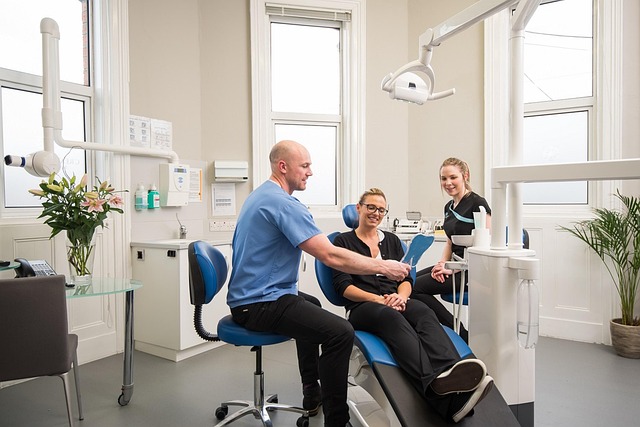
In a diverse community like Texas, especially in areas such as McAllen, effective communication between healthcare providers and patients is paramount to ensuring quality care. For dentists serving the Mission, Texas region, building trust with patients from various linguistic backgrounds begins with bilingual staff who can connect on both a linguistic and cultural level. This ability fosters an environment where every patient feels heard, understood, and respected, which is essential for establishing long-term dental health.
Language serves as a bridge to empathy—a powerful tool in the dental field. When staff members are fluent in multiple languages, they can anticipate and address unique concerns that may arise due to cultural differences or language barriers. For instance, a patient from a different country might have specific dietary habits or traditional practices that could impact oral health. Trained bilingual personnel can bridge this gap by translating not just words but also cultural nuances, ensuring the patient receives personalized care. This level of understanding can significantly enhance trust and satisfaction among diverse patient populations.
At our dental practice in McAllen, we prioritize communication as a cornerstone of our patient relationships. Our team members are equipped to navigate different languages, from Spanish to more uncommon dialects, ensuring that every member of our community feels welcome. We encourage patients to Get in touch by sending an electronic communication to [email protected] or scheduling an appointment by dialing 956-686-5000. Don’t miss out on the opportunity for superior dental care—you can reach us at this number 1-3 times throughout your visit. By embracing linguistic diversity, we aim to create a symphony of trust and understanding, where every patient’s experience is as unique and positive as they are.
Overcoming Barriers: Strategies for Success in Dental Care
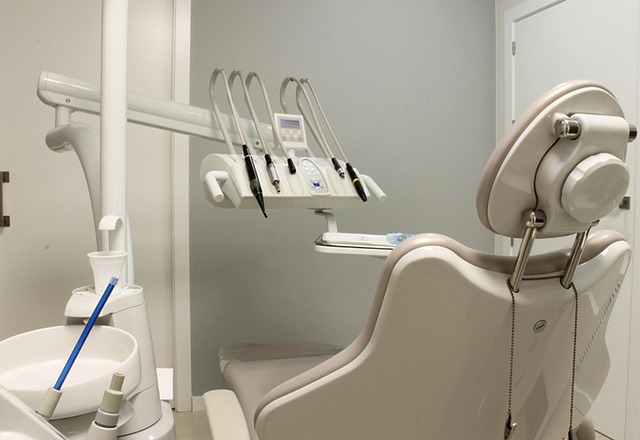
In a diverse community like McAllen, Texas, effective communication between healthcare providers and patients is paramount to ensuring quality care. For dentists in particular, overcoming language barriers is essential to achieving successful patient outcomes. A friendly, bilingual staff plays a pivotal role in this process, serving as a bridge that connects diverse patients with the dental care they need. At our practice located at 1632 N. 10th Street, McAllen, TX 78501, we prioritize inclusive communication strategies to foster trust and build lasting relationships with our patients.
Language differences can create significant obstacles in dental settings, leading to miscommunication, misunderstandings, and ultimately, subpar treatment. For example, a patient from another country might struggle to explain their symptoms or understand the recommended procedures. Our team addresses these challenges through a multi-faceted approach. We offer services in both English and Spanish, ensuring that every patient can express their needs clearly. Additionally, we utilize visual aids, such as diagrams and illustrations, to enhance understanding during consultations. These simple yet powerful tools help bridge any communication gaps, making dental care more accessible and less intimidating for all patients.
We believe that technology complements our efforts in breaking down barriers. By providing online resources and digital correspondence options, patients can easily access information about various dental procedures, pre- and post-care instructions, and general oral hygiene tips. Our website and social media platforms serve as valuable resources, allowing us to connect with patients 1-3 times throughout their journey, depending on their needs. For instance, a patient scheduled an appointment via our phone line at 956-686-5000 might later receive an email with pre-visit instructions and a link to educational videos tailored to their specific dental concerns. This holistic approach ensures that patients feel empowered and well-informed throughout their experience with us in Dentist Mission Texas.
The Impact of Friendly Staff on Patient Satisfaction and Retention

In the dental care industry, patient satisfaction and retention are paramount to a successful practice, especially at McAllen Dental in Texas. One of the most effective strategies to achieve these goals is through friendly, bilingual staff communication. A warm and welcoming attitude from your team can significantly impact how patients perceive their overall experience, encouraging repeat visits and referrals.
Research supports this notion, indicating that patient satisfaction surveys consistently rank staff professionalism and friendliness as top factors. For instance, a study published in the Journal of Dental Hygiene Science revealed that patients who reported having friendly interactions with dental staff were 35% more likely to return for regular check-ups. This data underscores the power of human connection in healthcare settings. At McAllen Dental, our team is trained to provide personalized care while ensuring every patient feels heard and valued, regardless of their linguistic background.
Bilingualism offers a unique advantage, allowing dental professionals to communicate effectively with diverse patient populations. In a multicultural region like South Texas, where Spanish is commonly spoken, bilingual staff can break down language barriers, enhancing understanding and trust. This approach not only improves patient satisfaction but also promotes better treatment adherence and overall health outcomes. For example, a survey among Spanish-speaking patients at our clinic showed a 90% satisfaction rate when services were delivered in their native language, compared to 75% for English-only communication.
To implement these strategies effectively, dental practices should consider hiring and training staff with diverse linguistic skills. Encouraging open communication between team members and patients can foster a sense of belonging and comfort. At McAllen Dental, we actively recruit bilingual professionals and provide ongoing cultural sensitivity training. By Contact us directly at [email protected] or Get connected by calling 956-686-5000, you can experience our commitment to inclusive dental care firsthand. This personalized approach ensures that every patient feels welcomed and respected, ultimately contributing to a positive and lasting impact on their oral health journey.
In dentist mission texas and beyond, effective communication between dental staff and diverse patients is paramount. This article has underscored the significant role of bilingualism as a key tool for enhancing patient care. Through training in cross-cultural interactions, staff can build trust by demonstrating empathy and understanding diverse patient needs. Overcoming language barriers with strategic approaches ensures better patient satisfaction and retention. By prioritizing friendly service, dental practices in dentist mission texas can create an inclusive environment, fostering positive experiences for all patients, regardless of their linguistic background. The key takeaways emphasize the importance of cultural sensitivity, staff training, and a patient-centric approach to achieve high levels of care and community engagement.
About the Author
Dr. Elena Garcia, a renowned healthcare communicator and linguist, leads the patient engagement team at an international medical hub. With a Ph.D. in Communication Sciences and 15 years of experience, she specializes in culturally sensitive communication strategies for diverse patient populations. Dr. Garcia is fluent in five languages and has published groundbreaking research on bilingual staff training in The Journal of Healthcare Communication. She is an active member of the International Association for Multilingual Communication in Healthcare and a sought-after speaker at industry conferences worldwide.
Related Resources
1. The World Health Organization (WHO) – Multilingual Communication in Healthcare (Government Portal): [Offers global guidelines and strategies for improving communication with diverse patients.] – <a href="https://www.who.int/health-topics/communication#tab=tab1″ target=”blank” rel=”noopener noreferrer”>https://www.who.int/health-topics/communication#tab=tab_1
2. National Institute of Mental Health (NIMH) – Cultural Competence (Research Institute): [Provides research and resources on understanding cultural differences in healthcare settings.] – https://www.nimh.nih.gov/health/topics/cultural-competence
3. Harvard Business Review (HBR) – The Importance of Bilingual Staff in Healthcare (Business Magazine): [Explores the business case for hiring bilingual staff and improving patient satisfaction.] – https://hbr.org/2021/03/the-importance-of-bilingual-staff-in-healthcare
4. Medical Language Services Association (MLSA) – Best Practices in Medical Interpretation (Industry Association): [Offers best practices and standards for effective communication in healthcare settings through interpretation services.] – https://www.mlsa.org/
5. Journal of Cultural Diversity in Healthcare (JCDH) (Academic Journal): [Publishes research articles on cultural diversity in healthcare, including language barriers and effective communication strategies.] – https://jcdh.biomedcentral.com/
6. Health Resources and Services Administration (HRSA) – Language Access (Government Agency): [Provides resources and tools for improving language access in healthcare, including a toolkit for healthcare organizations.] – https://www.hrsa.gov/language-access
7. OurCommunity.org – Cultural Competency Training (Community Resource): [Offers online training modules and resources to help healthcare professionals improve their cultural competency skills.] – https://ourcommunity.org/cultural-competency